

The battle of Geel also known as the battle of the Geel bridgehead was a fierce and largely overlooked battle in World War 2. It happened in September of 1944 and began at the Albert Canal. It would end up being one of the bloodiest battles in the liberation of Belgium. Join me as I take you back to 1944 to explore this horrifying but also hopeful part of the history of Geel.
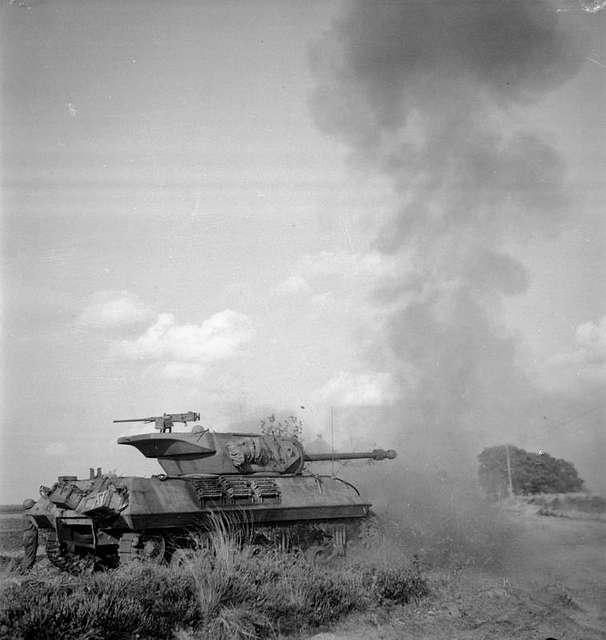
On the 7th of September the fighting would officially begin to the south of Geel at the Albert Canal. On the 8th of September the 50th division, 69th brigade and 151st brigade of the British army would attack the Germans by establishing a bridgehead. The Germans tried to counter-attack but by the morning of the 9th two bridgeheads were connected which allowed armored cars to cross the canal. Followed by a Bailey bridge being built that evening allowing Sherman tanks to cross as well.
Advancing into Geel
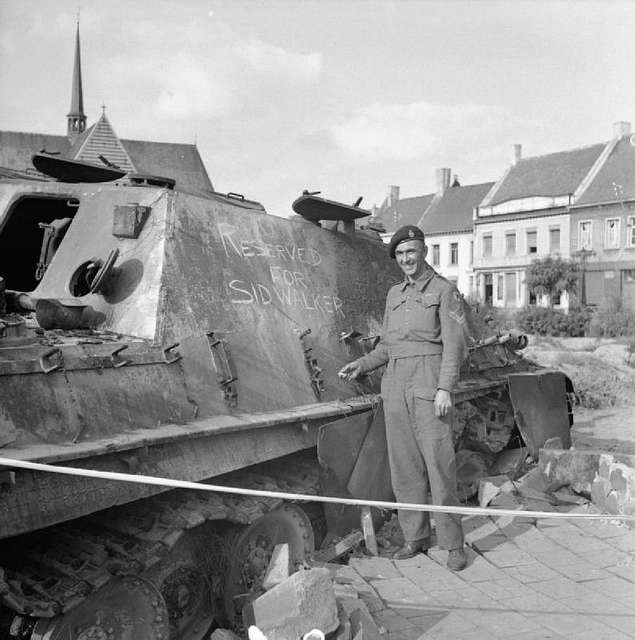
On the 10th British forces would advance into Geel, taking up positions around the marketplace. The Germans retreated to north of the railway station and the center of Geel was captured. Though, later that day the Germans would launch a counter-attack. They kept attacking the British troops giving them no room to breathe which then lead to the Germans once again taking control of the city center.
Being pushed back to the canal the British seemed to have been brought back to square one. But... the Germans would push too far leading to them suffering heavy losses. This then brought Geel back into British hands. On the 12th the 50th division would pull out to help the Guards Armoured Division in Lommel. They were replaced by the 15th division.
At night on the 13th of September the Germans retreated to behind the Maas-Scheldt canal in the village Ten Aard. Troops of the 15th division could then reoccupy the town with little resistance. Now that Geel was recaptured the British set their sights on the Maas-Scheldt canal. They planned to create a pontoon bridge over it. After 8 days of fighting the Brits set up a bridgehead. While it was met with repeated counter-attacks it held strong though advancing was also not possible. Finally on the 23rd of September the Germans were forced to retreat and Ten Aard was liberated.
The aftermath
While the exact amount of casualties is unknown an estimated 130 civilians died mostly due to artillery fire, reminding us that not only those who are fighting suffer in war. In total around 1,100 people lost their lives. While this is of course a sad fact and war is never fun, the Allies fought to free Geel and the rest of Belgium. So while many good people gave their lives it was not in vain and it has made it so Geel could rebuild and become the beautiful city it is today. That is why while gruesome, the battle of Geel was also actually pretty hopeful.